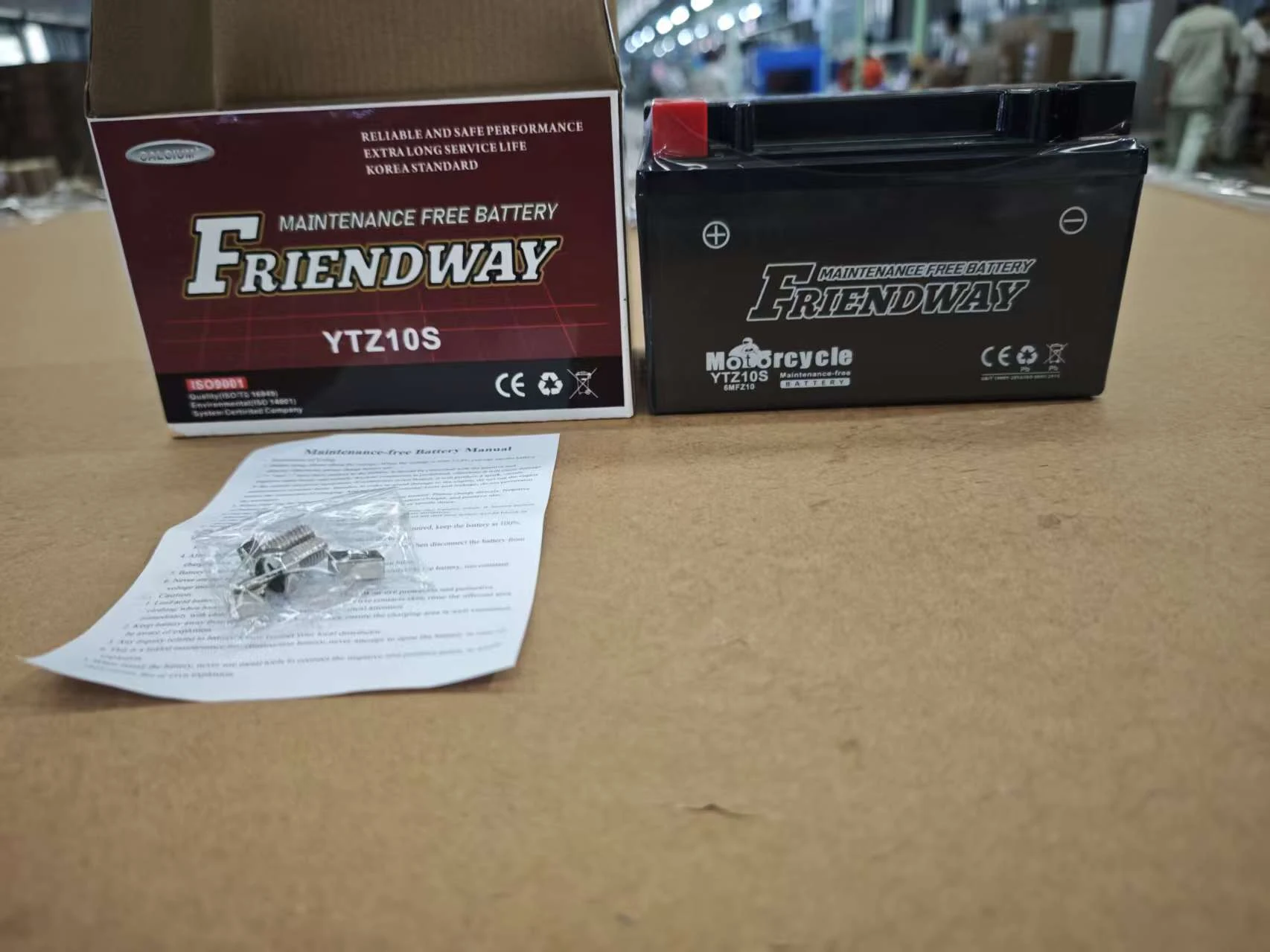
Quick Summary: A lead acid motorcycle battery is a sealed or serviceable rechargeable battery that provides the 6V or 12V power required for starter motors ignition and electronics Select by nominal voltage Ah capacity terminal type and CCA rating verify factory QC SDS and transport compliance before ordering. For bulk fleet procurement and commercial distribution, sourcing factory-direct container shipments from certified Chinese manufacturers provides 30–40% landed cost savings with full export compliance.
What is a lead acid motorcycle battery and when to choose it
Lead acid motorcycle batteries remain a durable, cost-effective option for many two-wheel applications, including scooters, standard motorcycles and small- displacement bikes. They are available as flooded (serviceable), sealed (maintenance-free/AGM or gel) variants. Choose lead acid when price, wide availability of replacement units and simple recycling infrastructure matter; evaluate sealed types where low-maintenance and spill-resistance are required.
Key technical attributes B2B buyers must confirm
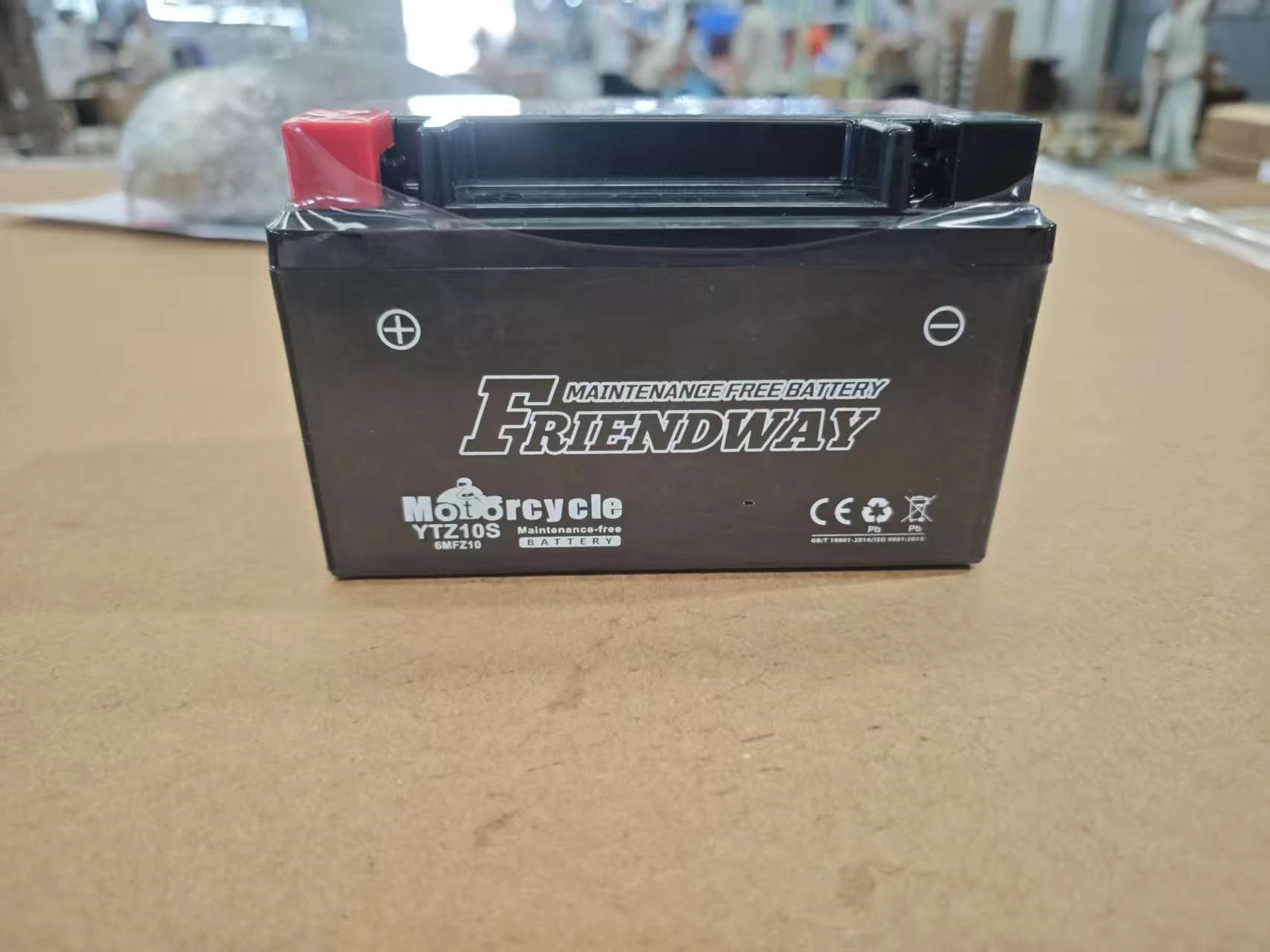
- Nominal voltage: Most motorcycle systems use 6V or 12V nominal batteries; confirm vehicle system voltage before procurement.
- Capacity and Ah rating: Capacity should match starter and accessory loads; ask suppliers for the rated ampere-hour (Ah) at a specified discharge rate and the test standard used.
- Cold Cranking Ability: For cold starts, request the supplier's Cold Cranking Amp (CCA) test method and value; compare using the same test standard.
- Terminal style and polarity: Physical fit and terminal type vary by OEM—confirm terminal post type, orientation and connector compatibility.
- Construction: Flooded vs. AGM vs. gel affects maintenance and mounting orientation—specify required type and expected life cycle.
- Cycle life & warranty: Request supplier cycle-life test data, warranty terms and expected calendar service life under specified conditions.
Testing and inspection to request from suppliers
Ask for factory QC records and third-party test reports where available: capacity verification, internal resistance, CCA test results and cycle-life tests performed to an established laboratory method. Request MSDS (SDS) for the electrolyte and a factory quality manual or ISO 9001 certificate if quality-system oversight is required.
Comparison: Buyer evaluation criteria for lead acid motorcycle batteries
| Criteria | Why it matters | How to evaluate | Supplier response to request |
|---|---|---|---|
| Voltage & capacity | Ensures compatibility with vehicle electrics and expected runtime | Confirm nominal voltage (6V/12V) and Ah rating with discharge rate specified | Provide rated voltage, Ah (with discharge rate) and test certificate |
| Type (flooded/AGM/gel) | Affects maintenance, mounting and lifecycle | Specify required type; request construction details | State battery type, recommended orientation, and maintenance instructions |
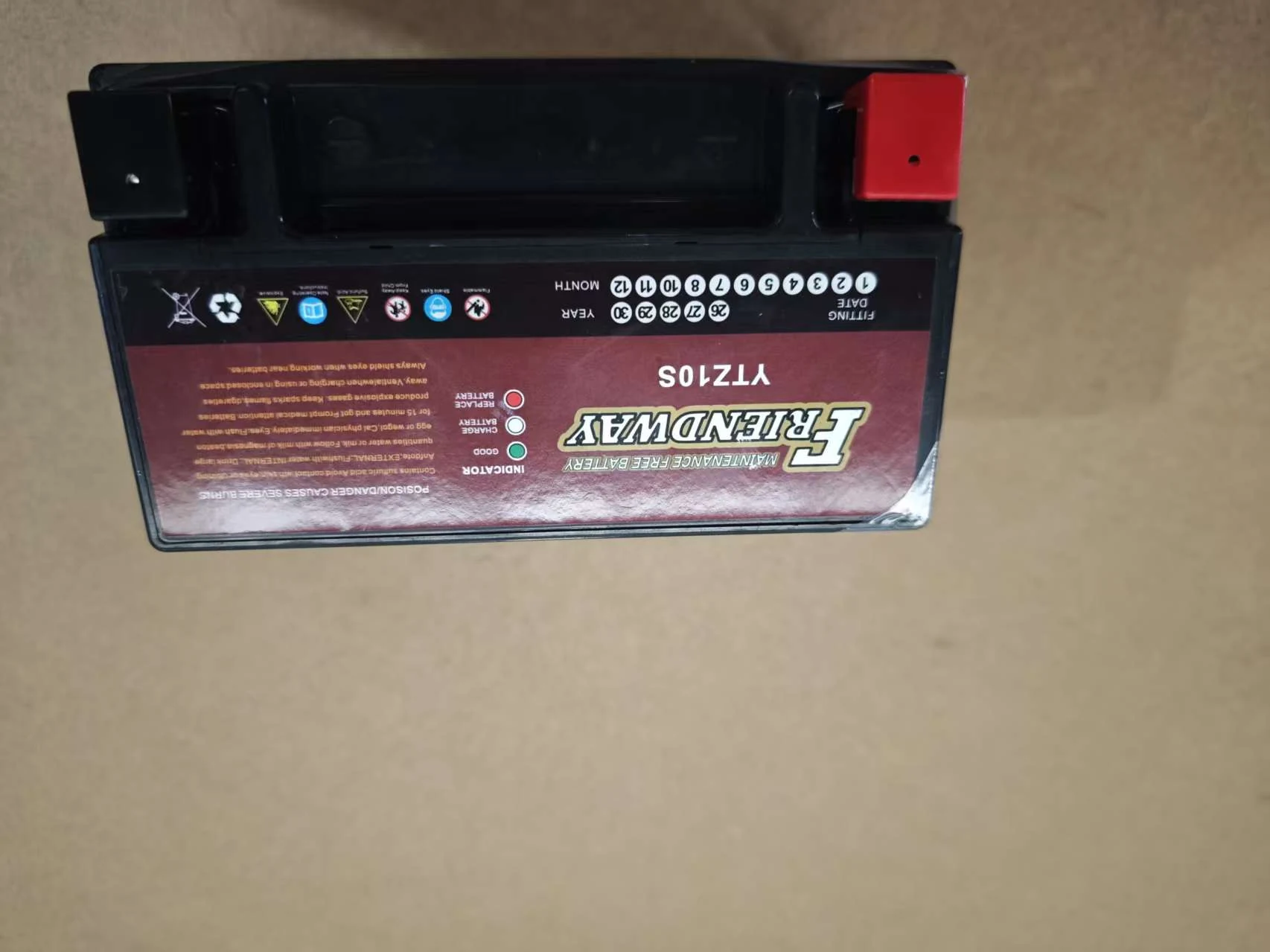
| Terminal configuration | Physical fit and connection reliability | Provide drawings or photos of terminal positions and dimensions | Confirm terminal type, polarity and offer sample for fit check |
| Start-up performance (CCA) | Cranking capability in low temperatures | Compare CCA reported under the same test standard | Supply CCA value and specify the test method used |
| Quality & certification | Risk reduction and regulatory acceptance | Request ISO certificates, SDS, factory test reports and QC plan | Provide copies of certificates, SDS and internal QC procedures |
| Packing & logistics | Protects product in transit and affects landed cost | Confirm packing units per carton, palletization and weight | Provide packing list, sample carton photo and FOB/EXW pricing |
Sourcing lead acid motorcycle battery from China: Quality Standards, MOQ & Container Logistics
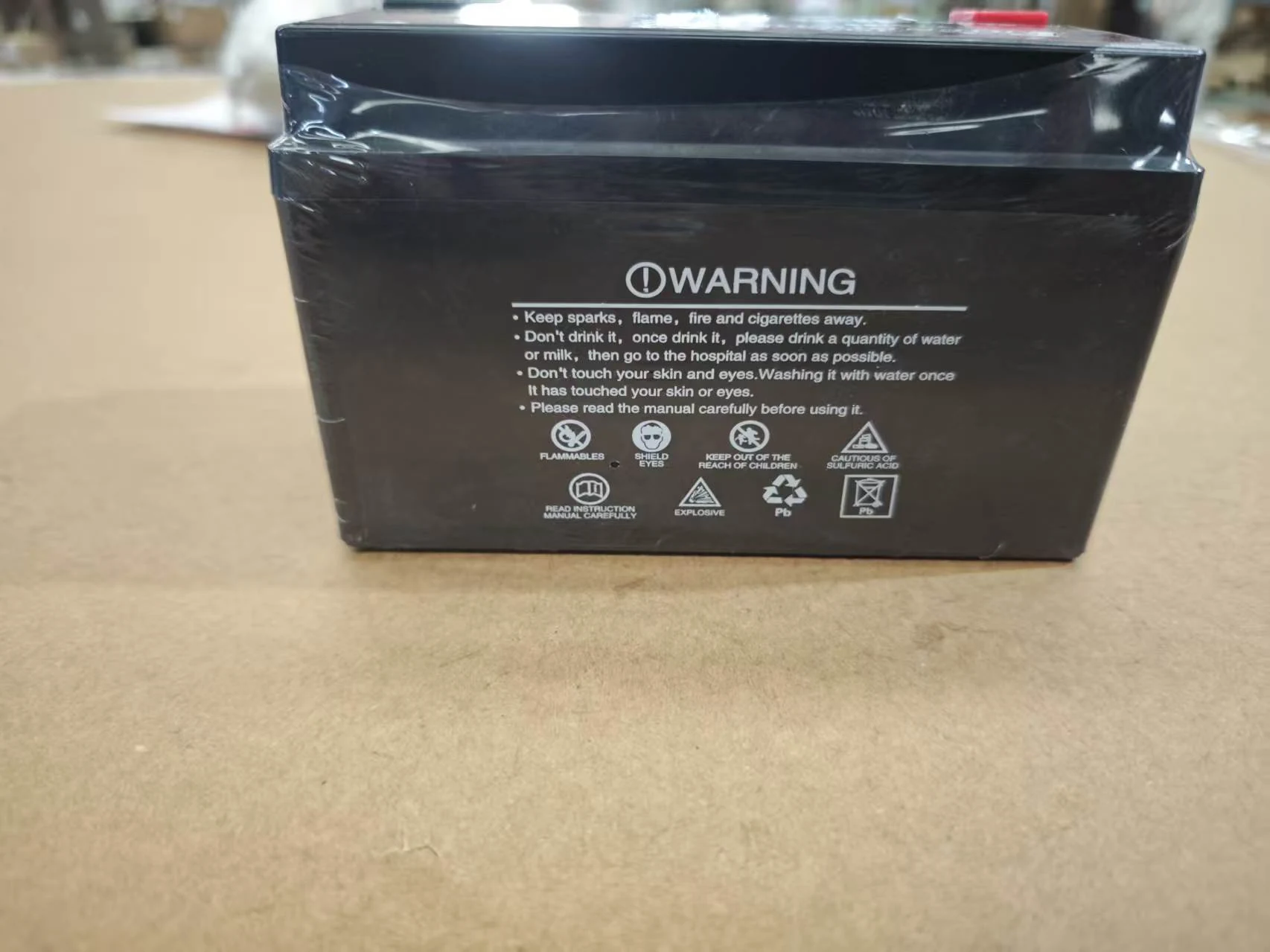
When sourcing factory-direct from China, verify the supplier's quality system (commonly ISO 9001) and environmental management (often ISO 14001) if required. Key export and compliance documents to request include SDS (Material Safety Data Sheet), factory test reports for capacity and CCA, commercial invoice, packing list and the standard export paperwork (certificate of origin on request). For transport, batteries containing liquid electrolyte may be subject to IMDG/ADR/DOT handling rules—confirm with the supplier and your freight forwarder whether the shipment is classified as dangerous goods and what mitigation (e.g., immobilization, packaging) is used.
MOQ and container options: many manufacturers will quote both palletized container quantities and smaller MOQs for sampling or pilot orders; mixed-container (mixed SKUs) options are widely offered for OEM assortments but must be negotiated. Typical manufacturing lead times commonly fall in the 3–6 week range after order confirmation, but confirm current production schedules; expedited capacity may be available for additional cost. Standard international port terms offered by Chinese suppliers usually include EXW, FOB and CIF; confirm the named port—examples used for planning are Qingdao and Ningbo only as export gateways to discuss with the supplier and freight forwarder.
Inspection and sample policy
Insist on pre-shipment inspection (PSI) and sample approval. Common checks include dimensional inspection, visual defects, packing verification and functional tests (open-circuit voltage, capacity spot-checks). Engage an independent inspection provider where risk or order size justifies it.
Application notes and end-user considerations
Match the battery to real-world usage: frequent short trips and heavy accessory loads may require higher capacity and better cycle resilience. For distribution channels, keep clear SKU labelling, provide cross-reference guides to common OEM fits, and maintain a spares kit for returns and warranty handling. Also plan for end-of-life recycling and reclamation in target markets to meet local environmental requirements.
Conclusion and next steps
For commercial buyers and fleet operators, a structured RFQ that lists required voltage, Ah, terminal type, battery type (AGM/gel/flooded), required test reports and packing expectations will speed supplier comparison. Request declared lead times, sample availability and pre-shipment QC procedures when negotiating MOQs and pricing. For procurement assistance, ask suppliers for FOB and CIF quotes to your nominated port and schedule an independent inspection before shipment.
To move forward, prepare a short technical specification sheet (voltage, Ah, terminal drawing, type, required certificates) and request factory quotations, sample lead times and pre-shipment inspection options.
For bulk fleet procurement and commercial distribution, sourcing factory-direct container shipments from certified Chinese manufacturers provides 30–40% landed cost savings with full export compliance.