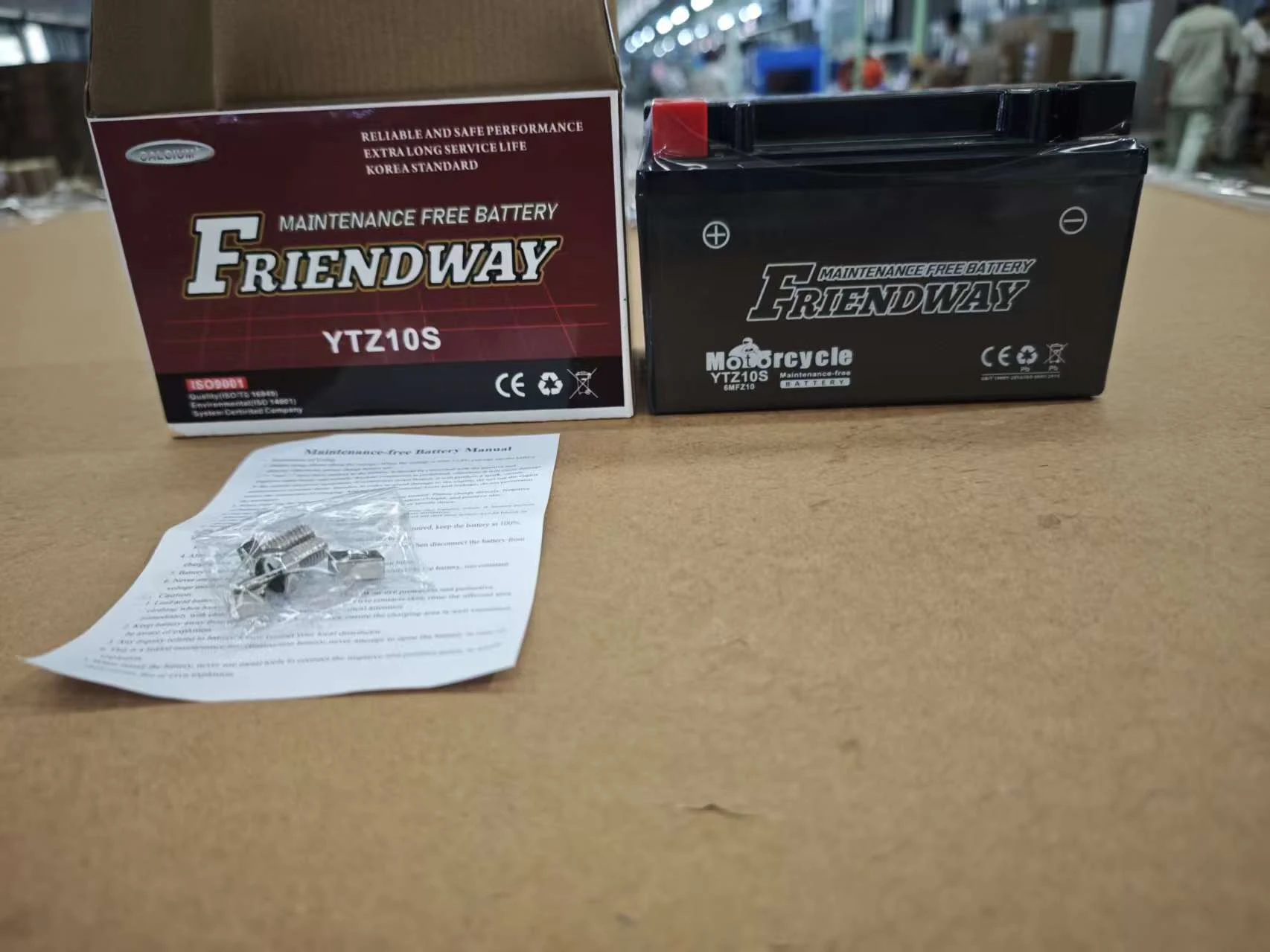
Deep Cycle Motorcycle Battery — China Factory-Direct Guide
Quick Summary: A deep cycle motorcycle battery is designed to provide sustained discharge over extended periods and to accept repeated partial discharges and recharge cycles; compared with starting batteries it emphasizes usable capacity and cycle durability. For bulk fleet procurement and commercial distribution, sourcing factory-direct container shipments from certified Chinese manufacturers provides 30–40% landed cost savings with full export compliance.
This guide explains the technical characteristics B2B buyers should evaluate when specifying and sourcing a deep cycle motorcycle battery from a motorcycle battery factory. It covers chemistry choices, specification standards you should request, charging and BMS requirements, quality-control tests, and practical procurement steps for China factory-direct sourcing.
What "deep cycle" means for motorcycle batteries
In battery practice, "deep cycle" indicates a design optimized to deliver a large portion of its rated capacity in routine use and to tolerate frequent partial or full discharge/recharge cycles. For motorcycles this matters when batteries power accessories, start-stop systems, or electric drivetrain assistance. Deep cycle designs prioritize usable ampere-hour capacity per cycle and cycle life rather than short-term high cranking current.
Common chemistry options and buyer implications
Lead-acid (flooded / VRLA / AGM / Gel)
Lead-acid variants remain widely used for cost-sensitive applications. For deep cycle use, AGM and Gel are common because they are sealed and better at repeated cycling than standard starting flooded cells. Important buyer checks: request the Ah rating at the C20 rate, manufacturer cycle-life test conditions, recommended charge algorithm, and maintenance requirements.
Lithium iron phosphate (LiFePO4)
LiFePO4 offers higher usable depth-of-discharge and longer cycle life in many applications. For procurement, require full BMS specifications (over/under-voltage, over-current, cell balancing), UN38.3 test reports for air/sea transport, and explicit shipping classification for lithium batteries under IATA/IMDG/DOT rules.
Key technical specifications and what to request
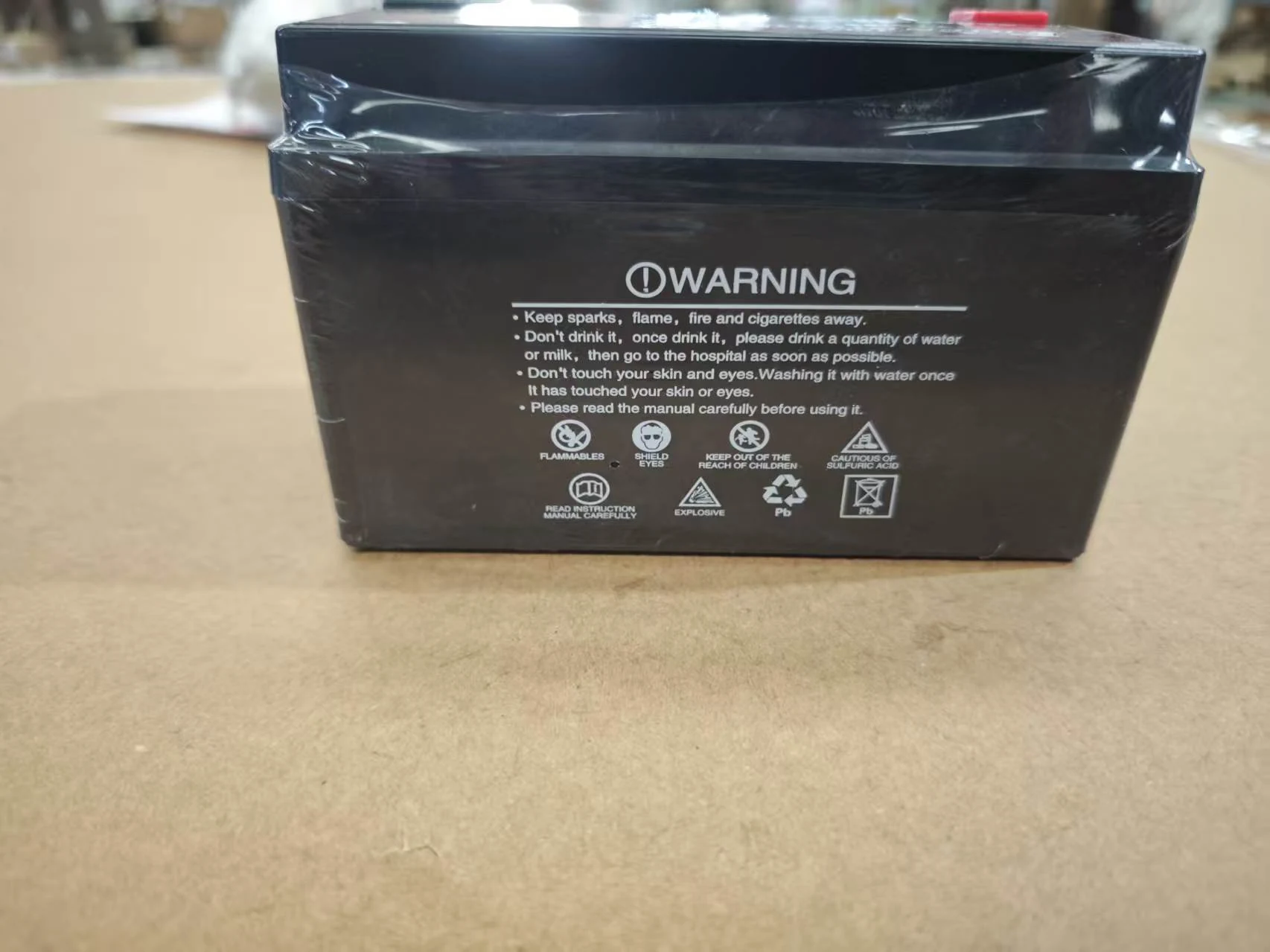
- Nominal voltage and rated capacity: Request Ah rated at a standard discharge rate (for lead-acid, specify C20) and the test conditions used to state capacity.
- Cycle-life data: Ask for the cycle life measured at a specified Depth of Discharge (DoD) and temperature profile—e.g., 80% DoD at 25°C—so offers are comparable.
- Internal resistance and charge acceptance: These affect performance with regenerative charging or accessory loads.
- BMS and protections: For lithium packs, require BMS specifications, cell balancing method, and fault response behavior.
- Charging profile: Obtain recommended charge voltage, current limits, and float charge guidance for battery chemistry.
- Form factor and terminals: Physical dimensions, terminal type, and mounting details must match vehicle designs.
Quality control and inspection checklist
Ask suppliers for production and final inspection reports that include capacity verification (C20 or equivalent), visual inspection, polarity/terminal polarity checks, and cycle-life test samples. Specify acceptable failure rates for batches, require random sample destructive analysis for cell construction when contracting large volumes, and include pre-shipment sample approvals.
Comparison table: buyer evaluation criteria
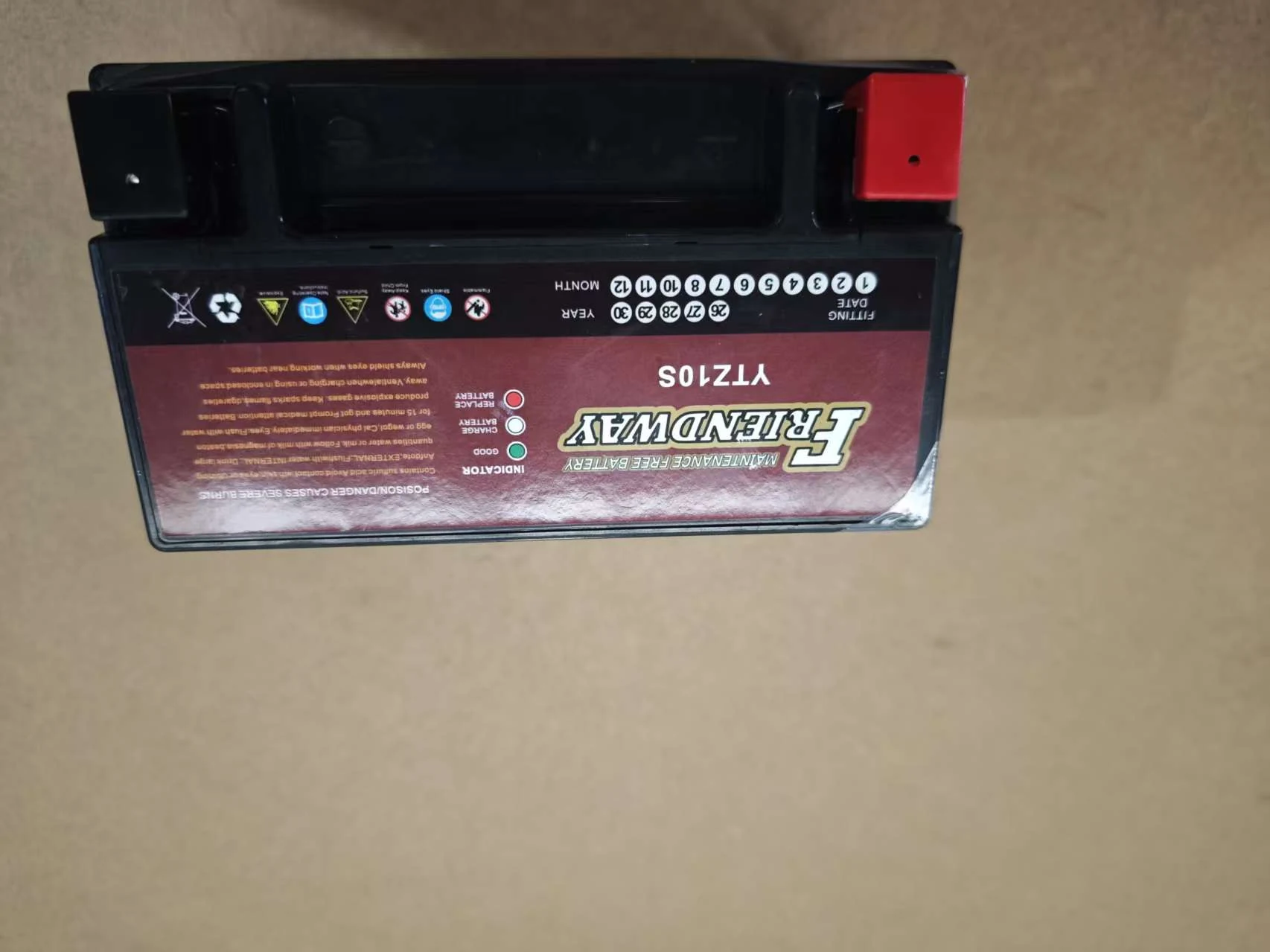
| Battery Type | Typical Use Case | Energy Density | Cycle Life | Maintenance | Charging/BMS Needs | Supplier Quote Focus |
|---|---|---|---|---|---|---|
| Lead-acid (Flooded) | Budget or legacy systems | Lower (qualitative) | Lower to moderate depending on depth of discharge | Requires fluid maintenance and venting | Simple charger; recommend periodic equalization | Request C20 capacity, sample cycle test data, and handling requirements |
| VRLA / AGM / Gel | Sealed systems, accessory loads | Moderate (qualitative) | Moderate; better than flooded for cycling | Low maintenance | Specific charge voltage/float; float control advisable | Ask for C20 rating, expected cycles at defined DoD, and warranty terms |
| LiFePO4 (Lithium) | High cycle, weight-sensitive applications | Higher (qualitative) | Higher when properly managed | Minimal; requires correct BMS | Requires BMS and CC/CV charge profile; strict transport regs | Require BMS spec, UN38.3, cell-origin, and detailed charge/discharge curves |
Sourcing deep cycle motorcycle battery from China: Quality Standards, MOQ & Container Logistics
Required documentation and tests to request from Chinese manufacturers typically include:
- Quality system certificates: ISO 9001 (quality management) and ISO 14001 (environment) where available.
- Product safety and market certificates: CE declaration for EU sales where applicable; request the specific harmonized standards used for the CE claim.
- Transport and hazardous goods documentation: UN38.3 test reports for lithium cells/batteries; IATA/IMDG compliance notes for air/sea shipments; DOT paperwork for US inbound transport as required.
- Material and chemical documentation: MSDS/SDS for electrolytes and materials.
- Test reports: independent laboratory capacity verification, cycle-life data with test protocol, and sample BMS validation for lithium products.
MOQ and container options: factories' MOQ policies vary—many accept sample orders or small initial runs, while larger OEM orders are often booked per pallet or container load. Mixed-container loads (multiple SKUs in one container) are commonly offered but must be agreed in advance to manage packaging, segregation, and UN packing group requirements for hazardous items. Confirm the supplier's minimums before purchase.
Export lead times depend on factory capacity, order size, and testing requirements; confirm production lead time and allow additional time for certification reports, safety testing, and booking. When arranging sea freight, confirm port terms (for example Qingdao or Ningbo as potential load ports) and whether the supplier provides FOB, FCA, or EXW terms. Always confirm carrier and port availability with the supplier and your freight forwarder.
Practical evaluation and supplier negotiation tips
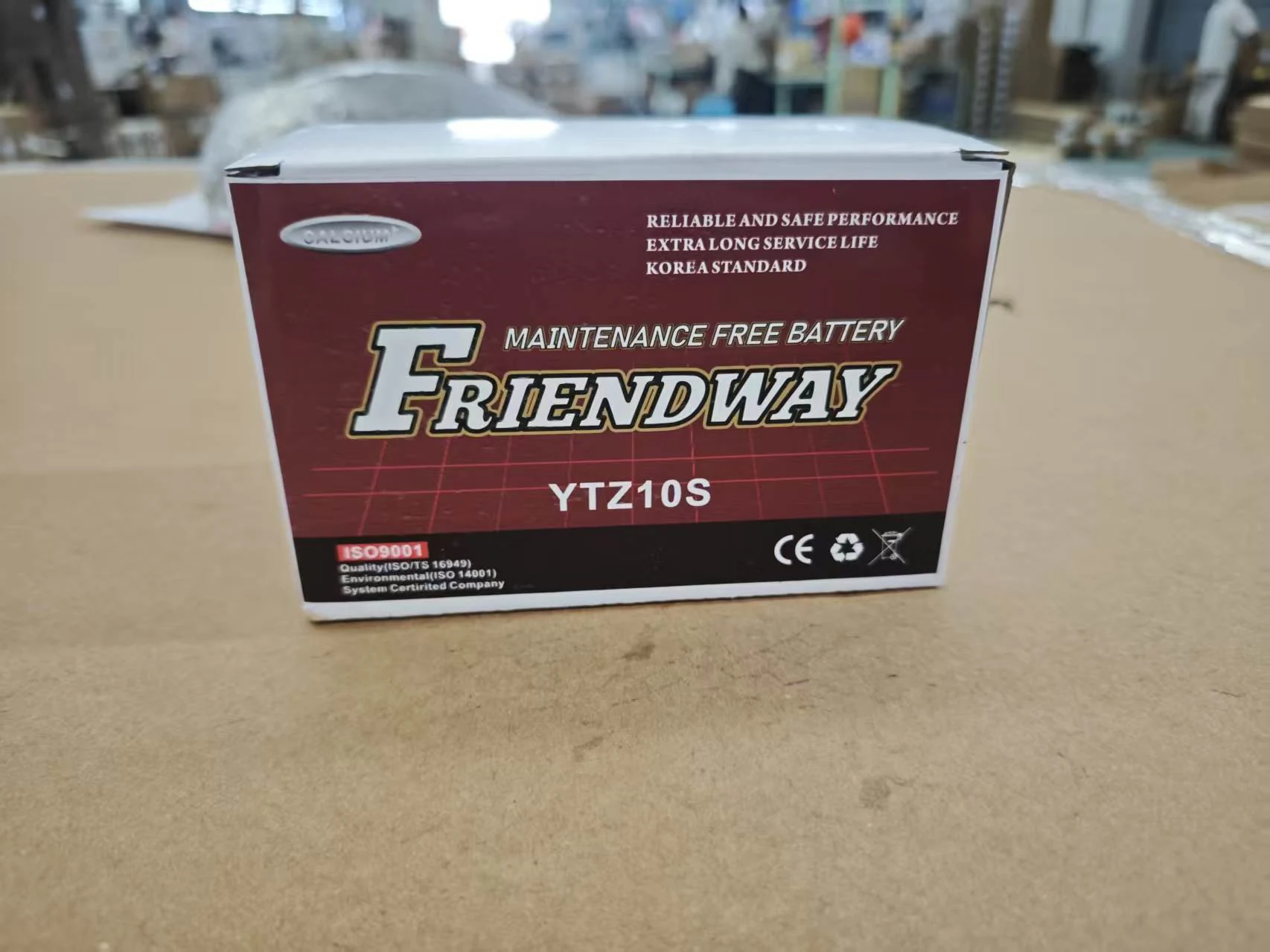
- Require functional pre-shipment samples and test them under application-relevant conditions (temperature, expected load profile).
- Ask for long-form test protocols for cycle-life and capacity claims so your lab or a third-party can replicate results.
- Negotiate warranty terms tied to measurable metrics (capacity retention at X cycles) rather than vague language.
- For lithium items, ensure full transport compliance and that the supplier provides correct shipping declarations, packaging statements, and training packs where required.
- Include an inspection clause in the purchase contract allowing third-party QC at manufacturing completion and pre-shipment.
Conclusion and next steps
Define the application duty cycle, duty-cycle DoD, temperature range, and packaging/space constraints before requesting bids. Use the specification checklist above when issuing RFQs, require standardized test evidence, and confirm transport classification early in negotiations. For initial sourcing, request factory samples, independent test reports, and a clear list of documents for export clearance.