Quick Summary: A 12V lead-acid battery is a widely used, mature electrochemical technology for vehicle starting, standby power and shallow-to-deep cycling applications. Variants include starting batteries and deep cycle batteries optimized for repeated discharge/recharge. For bulk fleet procurement and commercial distribution, sourcing factory-direct container shipments from certified Chinese manufacturers provides 30–40% landed cost savings with full export compliance.
What is a 12V lead-acid battery and how does it differ from a deep cycle battery?
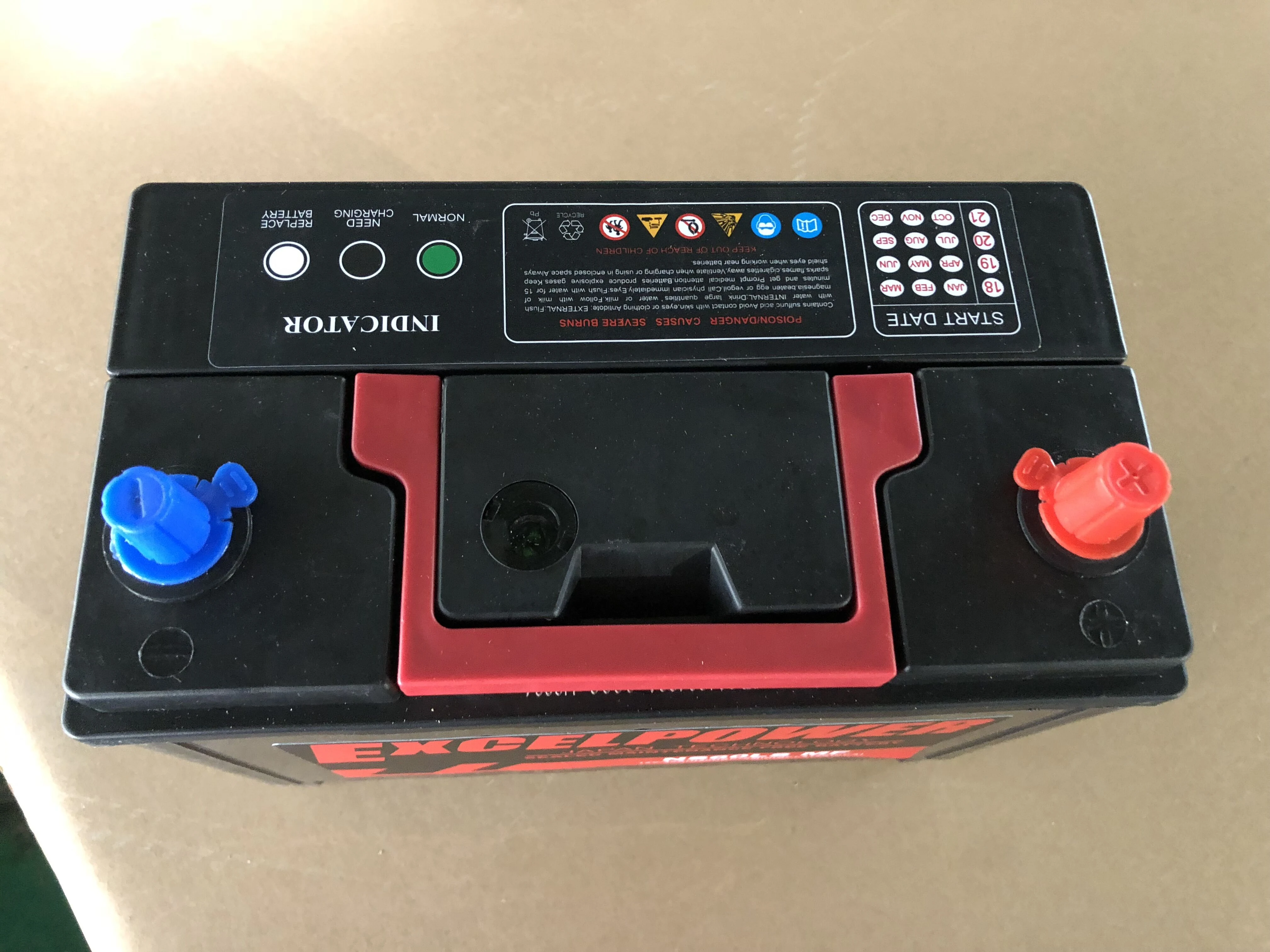
A 12V lead-acid battery contains lead plates and an electrolyte (liquid or immobilized) delivering nominal 12 volts via series-connected cells. Two main design families matter to buyers: starting (cranking) batteries engineered for high short-term current to start engines, and deep cycle batteries engineered to deliver sustained current over longer discharges and tolerate regular partial-to-deep cycling. "Deep cycle battery" refers to the latter and is optimized for cycle life and usable capacity rather than peak cranking amperage.
Key functional differences
- Construction: deep cycle plates are thicker and more robust to reduce shedding and to tolerate repeated discharge.
- Use case: starting batteries for short bursts (starter motors); deep cycle for energy storage (marine, RV, telecom backup, solar).
- Chemistry variants: flooded (wet), AGM (absorbed glass mat), and gel—each has different maintenance, mounting and charge characteristics.
Common applications in modern equipment
12V lead-acid batteries remain common in: automotive starter systems, motorcycles, marine and RV house banks, standby UPS and telecom, small-scale solar/battery storage, portable power systems, and motive applications (golf carts, industrial equipment). Deep cycle designs are the preferred option when repeated partial or deep discharge is expected.
Practical selection criteria for B2B buyers
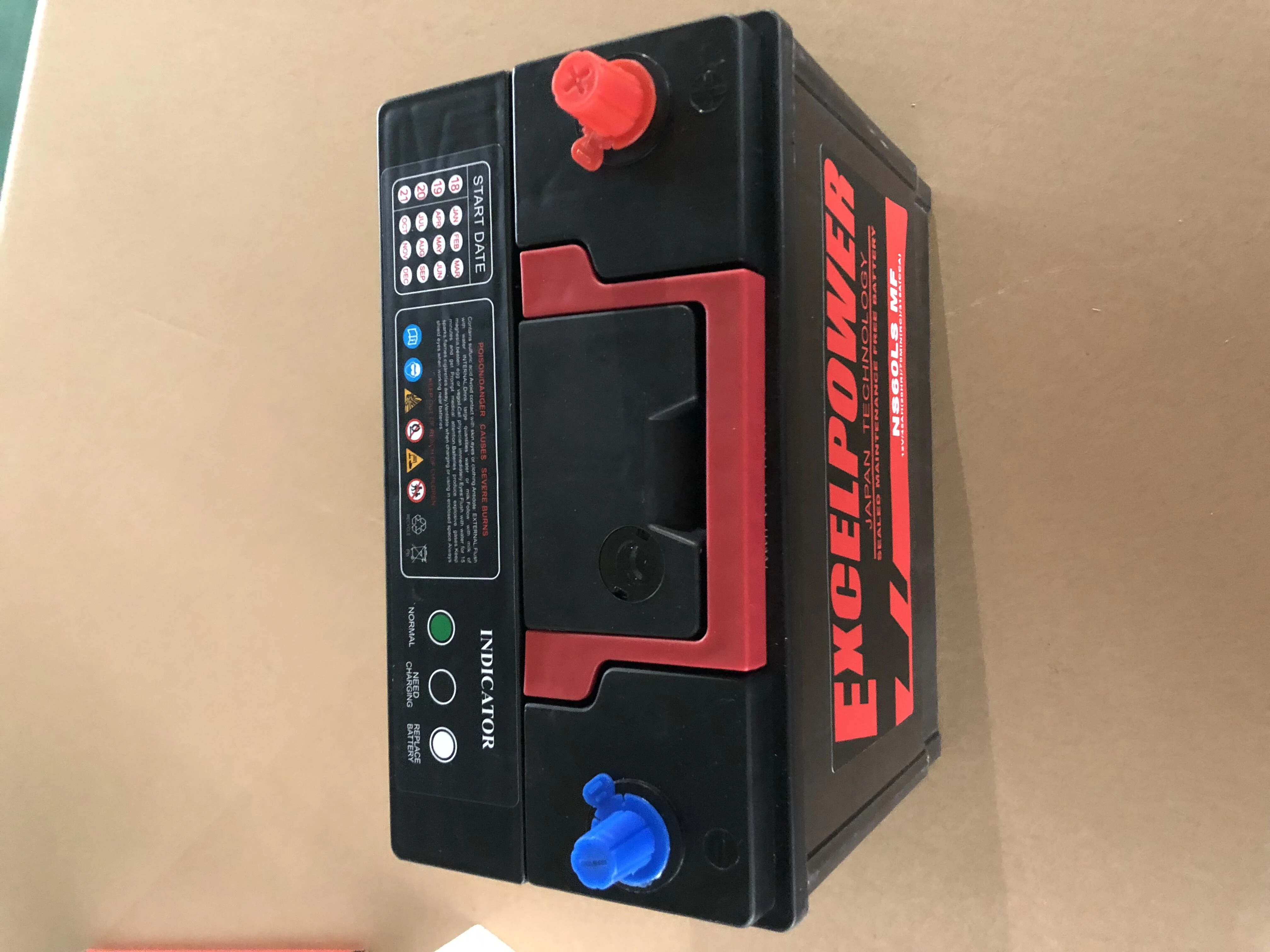
When evaluating suppliers and products, focus on the following buyer criteria:
| Evaluation Criterion | What to request or inspect | Typical buyer concern |
|---|---|---|
| Battery type | Specify deep cycle, starting, or combination (dual-purpose); request datasheet clarifying intended duty cycle | Ensure match to application: starting vs energy storage |
| Capacity & usable energy | Ask supplier for Ah at specified discharge rate (e.g., 20‑hour or other standard) and recommended Depth of Discharge (DoD) | Confirm usable capacity under real load and temperature |
| Cycle life | Obtain cycle-life test report showing cycles to a stated DoD; if unavailable, request standard test protocol | Cycle life varies by design and charge regime |
| Maintenance & mounting | Clarify flooded vs AGM/gel (maintenance needs, venting, allowed orientations) | Installation constraints and service frequency |
| Safety & transport | Request SDS/MDS, packaging specifications, and hazardous-goods handling instructions | Lead-acid batteries are regulated for transport; verify carrier acceptance |
| Warranty & testing | Confirm commercial warranty terms and available factory test records (capacity, internal resistance) | Align warranty period with total cost-of-ownership expectations |
| Dimensions & terminals | Request mechanical drawing and terminal types for fit and cabling | Fitment with racks, trays and vehicle mounts |
Installation, charging and lifecycle management
Correct charging regime and temperature management are essential to life and performance. Use a charger and battery-management strategy matched to battery type (flooded vs AGM/gel). For deep cycle service, avoid prolonged float overcharge and extreme DoD; periodic equalization may be required for flooded designs. For larger fleets or distributed systems, establish acceptance testing on arrival (voltage, specific gravity for flooded, internal resistance) and a plan for end-of-life recycling.
Sourcing 12V lead-acid battery from China: Quality Standards, MOQ & Container Logistics
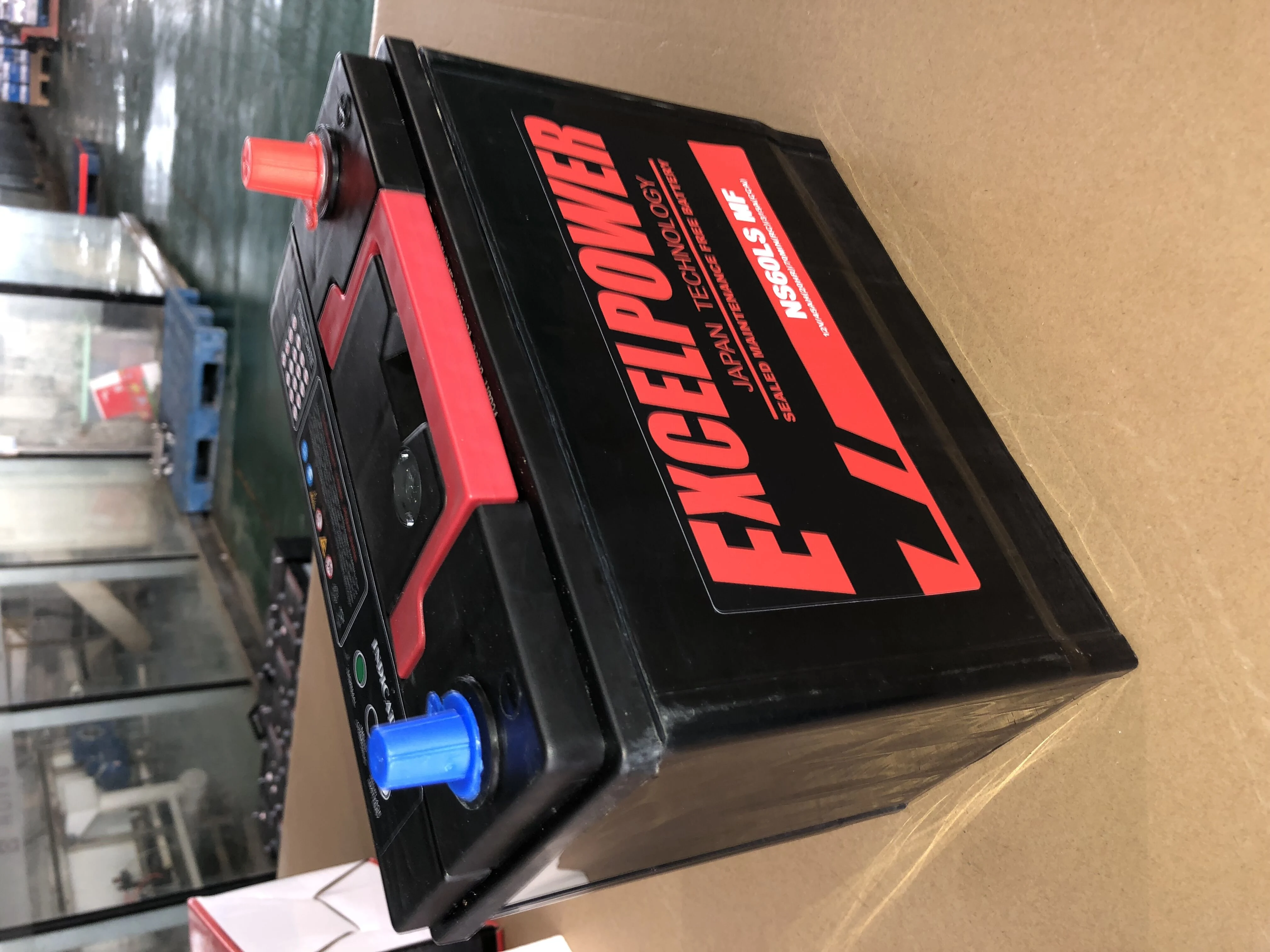
When sourcing factory-direct from China, request the following documents and logistics details up front:
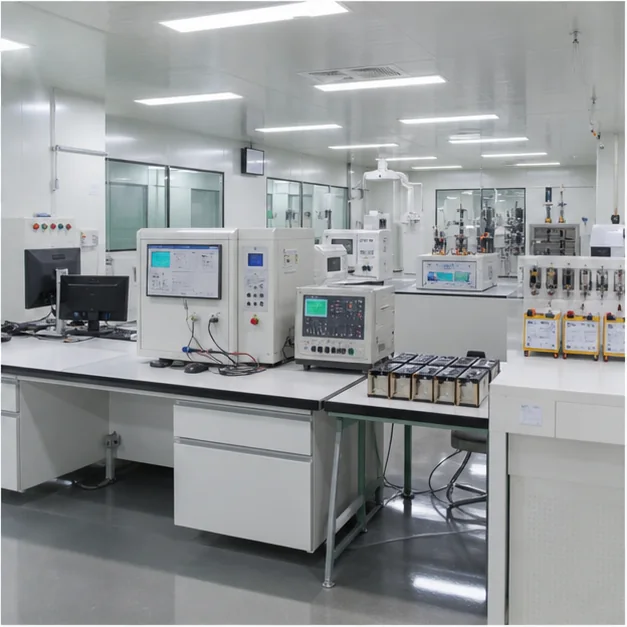
- Quality systems and factory audits: ISO 9001 and ISO 14001 certificates where available, plus recent factory audit reports.
- Product paperwork: full datasheet, SDS (Safety Data Sheet), charge/discharge test reports, and RoHS/REACH declarations if specified for the target market.
- Transport & export compliance: DOT/hazardous-goods shipping papers and IMDG/IATA declarations as applicable; suppliers should confirm the correct UN number and packaging instructions with your freight forwarder.
- MOQ & packaging: MOQ varies by supplier and cell size—suppliers commonly accept sample orders and can quote palletized or mixed-container loads; ask for container-fill quantity and packing configuration (pallets, trays, and dunnage) for accurate landed-cost modelling.
- Lead times & port terms: typical factory lead times should be confirmed in writing and tied to order milestones. Expect longer lead times for certified/bespoke items. Agree Incoterms and port of shipment (for example, FOB Qingdao or FOB Ningbo are commonly used as examples); confirm routing with your forwarder.
For quality control, include pre-shipment inspection (PSI), random sample testing, and witnessed testing if required. Insist on documented acceptance criteria and clear returns/defect handling in the contract.
Buyer checklist before placing production orders
- Confirm battery type (deep cycle vs starting) and required electrical/mechanical specs with supplier datasheet.
- Obtain SDS, performance test reports, and sample test results under your defined test protocol.
- Agree on warranty, returns, and non-conformance remediation clauses.
- Specify packing, labeling, and transport conditions; confirm hazardous-goods handling with carriers.
- Schedule pre-shipment inspection and specify acceptance criteria in the purchase contract.
Conclusion and next steps
12V lead-acid batteries remain a cost-effective, well-understood choice for many automotive and energy-storage applications. For applications requiring repeated deep discharge, specify a purpose-built deep cycle battery and request cycle-life data. For B2B buyers planning volume procurement, confirm technical datasheets, transport documentation and factory QA before committing to production.
For next steps, prepare a concise technical specification sheet listing required Ah rating, DoD, expected duty cycle, mounting and terminal preferences, and request supplier quotes that include packing configuration and FOB port options for accurate landed-cost comparison.